Free Shipping on Bats & Gloves!

2027 Bats - Now shipping
Celebrating 23 Years Online!

Fast, Free Shipping

Order By 12pm To Ship Same Business Day

Fastpitch Softball Bats

(66 products)

Updated June 2026. Fastpitch softball bats come in three certified standards — USA, ASA, and USSSA — and choosing the wrong one for your league means a bat you can't use in games. This guide breaks down exactly what to look for, organized by certification, drop weight, and age group, so you can shop with confidence.

USA, ASA, and USSSA: Which Certification Do You Need?

Most leagues in the U.S. have standardized on one of these three governing bodies. Before buying, check with your league director — using an uncertified bat can result in removal from play.

Standard Who Uses It What to Look For on the Bat
USA Softball (formerly ASA) Adult recreational leagues, most high school programs, USSSA alternatives, and some travel ball organizations USA Softball oval stamp
ASA Legacy designation — older bats approved under Amateur Softball Association rules. Still valid in many rec leagues that haven't transitioned to USA Softball branding. ASA certification oval (note: pre-2018 bats)
USSSA Travel ball, Elite tournaments, and a growing number of competitive youth leagues USSSA thumbprint logo

Rule of thumb: recreational and school-ball leagues → USA Softball; competitive travel ball → USSSA. When in doubt, ask your league. Most manufacturers now produce both variants of the same bat model.

Drop Weight Recommendations by Age and League

Drop weight is the difference between a bat's length (inches) and weight (ounces). A 33-inch bat weighing 23 ounces is a -10 drop. Higher drop = lighter bat = faster swing speed for developing hitters. Lower drop = heavier = more power for experienced players.

Age / Level Recommended Drop Typical Length
8–10 (beginner) -12 to -13 26–28 in
10–12 (youth rec) -11 to -12 28–30 in
12–14 (travel/competitive) -10 to -11 30–32 in
14–16 (high school prep) -9 to -10 32–33 in
16+ / Adult / College -8 to -10 33–34 in

If your player is between sizes, go with the lighter bat — swing speed matters more than mass for most youth hitters.

Alloy vs. Composite: What's the Difference?

Alloy (aluminum) bats are ready to hit straight out of the wrapper, perform well in cold weather, and are typically more affordable. The trade-off: a smaller sweet spot and no performance break-in period.

Composite bats have a larger sweet spot and improve as the fibers in the barrel break in over 150–200 swings. They perform best in temperatures above 60°F. In cold weather, composite bats can crack. Most competitive travel-ball players use composite for this reason.

If your player is just starting out or plays in early spring tournaments where temperatures drop, alloy is the smarter buy. For travel ball and summer leagues, composite is the performance choice.

Top Picks by Use Case

Best for recreational leagues (USA Softball, budget-friendly): Look for alloy one-piece bats in the -10 to -12 range. Rawlings and DeMarini offer well-reviewed options under $100.

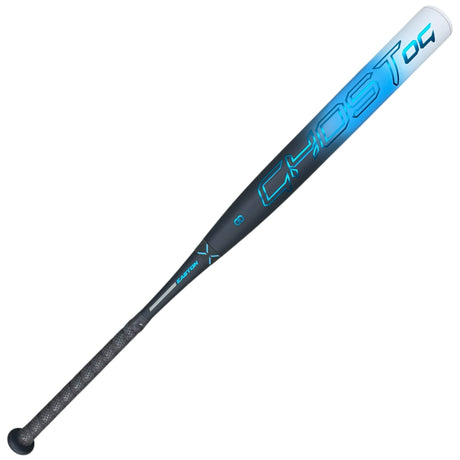
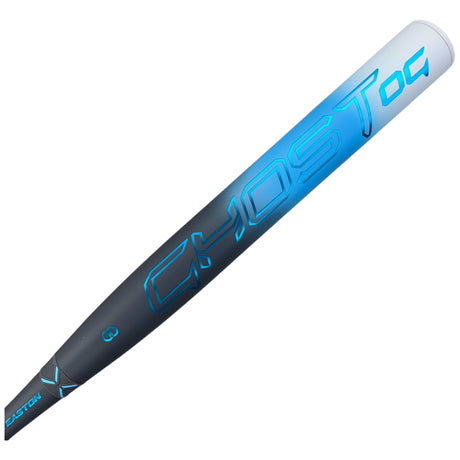
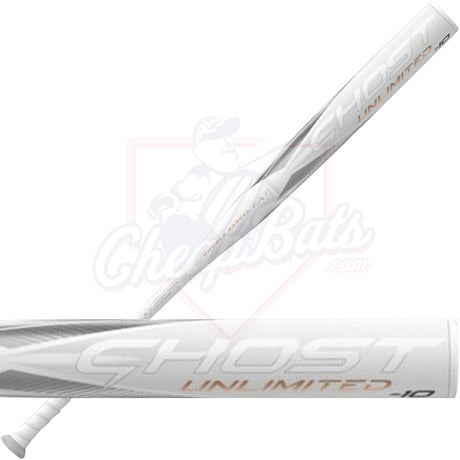
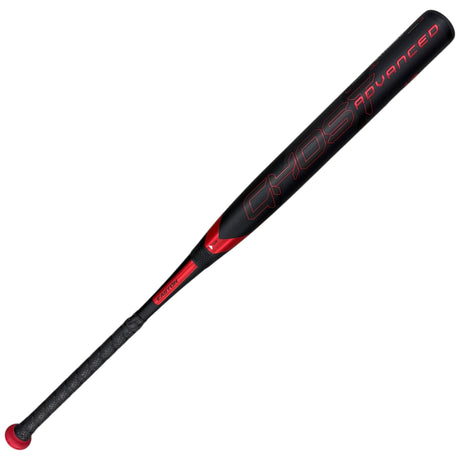
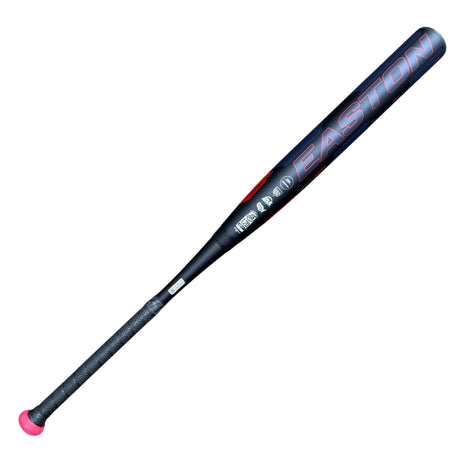
Best for competitive travel ball (USSSA, composite): The Easton fastpitch lineup — including the Ghost and Firefly — is a top performer in USSSA travel-ball. Rawlings fastpitch bats are a strong second option with good feel and balanced swing weight.

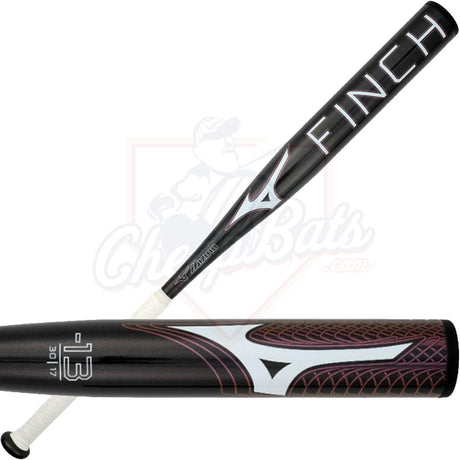
Best for high school / 14U players stepping up: A -9 or -10 composite bat in the 32–33 inch range. Mizuno fastpitch bats are underrated in this segment — consistent quality and well-priced compared to Easton and Louisville Slugger.

Best value for youth (10U / 12U): A -11 or -12 alloy bat in the $60–$100 range. Many players at this age outgrow bats before wearing them out, so spending $250+ on a composite doesn't pay off.

How to Get the Right Length

Stand the bat upright next to your player. If the knob reaches mid-hip, the length is right. Too short = choppy swing; too long = bat drag and late contact. When in doubt, shorter is better — it's easier to control.

CheapBats.com Selection: 65+ Fastpitch Bats on Sale

We carry 65+ fastpitch softball bats across all three certification standards, including current-year models and prior-season bats at clearance prices. Free shipping on all orders. Browse by brand, certification, or drop weight using the filters above.

View as

Fastpitch Softball Bats

Which Certification Does Your League Require?

Before buying, check with your league director. Using an uncertified bat can result in removal from play.

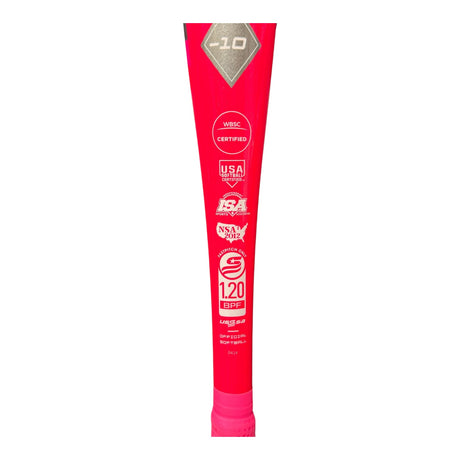
USA Softball (formerly ASA): Most recreational leagues, high school programs, and some travel organizations. Look for the USA Softball oval stamp on the barrel.

USSSA: Competitive travel ball, elite tournaments, and a growing number of youth leagues. Look for the USSSA thumbprint logo.

ASA: Legacy designation for bats approved before 2017. Still valid in many rec leagues that have not transitioned to USA Softball branding.

When in doubt, ask your league. Most manufacturers produce both variants of the same model.

Drop Weight by Age and Level

Drop weight is the difference between a bat length in inches and its weight in ounces. A 33-inch bat weighing 23 ounces is a -10 drop. Higher drop means lighter bat and faster swing speed for developing hitters.

  • Ages 8-10 (beginner): Drop -12 to -13, typically 26-28 inches
  • Ages 10-12 (youth rec): Drop -11 to -12, typically 28-30 inches
  • Ages 12-14 (travel/competitive): Drop -10 to -11, typically 30-32 inches
  • Ages 14-16 (high school prep): Drop -9 to -10, typically 32-33 inches
  • Ages 16+ / Adult / College: Drop -8 to -10, typically 33-34 inches

If your player is between sizes, go with the lighter bat. Swing speed matters more than mass for most youth hitters.

Alloy vs. Composite

Alloy (aluminum) bats are ready to hit straight out of the wrapper, perform well in cold weather, and cost less. The trade-off is a smaller sweet spot.

Composite bats have a larger sweet spot and improve as the barrel breaks in over 150-200 swings. They perform best above 60F and can crack in cold weather. Most competitive travel-ball players use composite for this reason.

For beginners or cold-weather play, alloy is the smarter buy. For travel ball and summer leagues, composite is the performance choice.

Top Picks by Use Case

Recreational leagues (USA Softball): Alloy one-piece bats in the -10 to -12 range. Rawlings and DeMarini offer strong options under $100.

Competitive travel ball (USSSA, composite): The Easton fastpitch lineup is a top performer in USSSA travel ball. Rawlings fastpitch bats are a strong second option with good feel and balanced swing weight.

High school / 14U players: A -9 or -10 composite in the 32-33 inch range. Mizuno fastpitch bats are consistently well-priced compared to Easton and Louisville Slugger at this level.

Best value for youth (10U / 12U): A -11 or -12 alloy bat in the $60-$100 range. Players at this age often outgrow bats before wearing them out.

How to Check Bat Length

Stand the bat upright next to your player. If the knob reaches mid-hip, the length is right. When in doubt, go shorter. A bat that is too long creates drag and late contact.

Frequently Asked Questions

Can I use a USSSA bat in a USA Softball league? No, the standards are different and organizations enforce compliance. Using the wrong certification can get your bat removed or your at-bat disqualified.

Do fastpitch and slowpitch bats differ? Yes. Fastpitch bats are typically lighter with a longer, thinner barrel designed for the mechanics of fastpitch pitching. Never use a slowpitch bat in a fastpitch league.

What's the warranty on composite bats? Most major brands (Easton, Rawlings, Louisville Slugger) offer a 1-year manufacturer's warranty against defects. Breakage from cold-weather use may not be covered; check the specific model's warranty before buying.

What to Expect at Each Price Point

  • Under $75: Alloy bats, entry-level recreational play. Good for beginners who may outgrow sizes quickly.
  • $75–$150: Mid-range alloy or entry composite. The best value tier for most youth rec players.
  • $150–$250: Performance composite, current or one-year-old models. Travel-ball standard.
  • $250+: Premium flagship models (Easton Ghost, Louisville Slugger LXT). Elite travel ball and high school varsity.

Updated May 2026. CheapBats.com carries 65+ fastpitch softball bats across USA Softball, USSSA, and ASA certifications at clearance prices. All orders ship free.

Compare /3

Loading...